

The Ultimate Guide to School Emergency Kits: Ensuring Safety and Compliance in K-12 and Higher EducationSchool emergency kits are more than supply boxes—they’re essential safety tools that keep students and staff protected during crises. According to the National Center for Education Statistics (NCES, 2022), in the most recent school year, over 67% of U.S. public schools reported at least one violent incident on campus. These figures highlight the widespread need for comprehensive safety preparedness, including accessible emergency kits for every classroom. The Critical Need for School Emergency PreparednessEducational institutions can't predict when emergencies will strike, but they can prepare systematically for multiple threat scenarios. Emergency preparedness for schools encompasses an "all-hazards" approach that addresses natural disasters, human-caused incidents, public health crises, and technological failures. The Range of Threats Schools FaceModern schools must prepare for diverse emergency scenarios: Natural disasters pose immediate physical threats requiring evacuation or shelter-in-place protocols. Earthquakes, floods, hurricanes, tornadoes, extreme heat, and winter storms can isolate schools for extended periods, making self-sufficiency critical. Fire extinguishers become essential during seismic events that may damage gas lines or electrical systems, while emergency backpacks allow for rapid evacuation when buildings become unsafe. Human-caused emergencies demand specialized response protocols and equipment. Active shooter situations, bomb threats, hazardous material incidents, and workplace accidents require targeted supplies and trained personnel to protect lives. Specialized lockdown kits provide essential supplies for extended periods when students and staff must remain secured in classrooms or designated safe areas. Public health crises emerged as a primary concern following COVID-19. Disease outbreaks, sanitation failures, and ventilation issues require schools to stock medical supplies, protective equipment, and communication systems to maintain educational continuity.. Medical emergencies occur daily in school environments. Allergic reactions requiring epinephrine, cardiac events needing AED access, and chronic condition management demand readily available medical supplies and trained staff. Trauma Pak systems and Pak systems and ice packs for injury treatment become critical components of immediate medical response. The Role and Importance of Emergency KitsCritical Functions of Emergency KitsEmergency kits serve multiple critical functions beyond basic supply storage:
Security and Tamper Control
Compliance, Standards, and GuidanceSchools operate within a complex regulatory framework combining federal guidance and state mandates: Federal guidance comes from FEMA, the Department of Education's REMS Technical Assistance Center, and Comprehensive Preparedness Guide 101, which establish emergency operations planning standards. State mandates translate federal recommendations into enforceable requirements. Louisiana Act 154 (2018), codified as La. R.S. 17:405.7, requires schools to maintain bleeding control kits ( Louisiana Legislature — Subject Index to Acts; New Orleans Public Schools Policy Reference). California Education Code §32280 mandates comprehensive school safety plans (California Legislature) Industry standards like ANSI/ISEA Z308.1 and OSHA requirements provide technical specifications for first aid supplies and workplace safety equipment in educational settings. What Should Be in a School Emergency Kit?
School emergency kits must contain specific categories of supplies to address survival needs, medical emergencies, and communication requirements during crisis situations. A comprehensive preparedness kit or school survival kit should integrate seamlessly with existing safety protocols. Essential Items ChecklistFirst aid supplies form the medical response foundation:
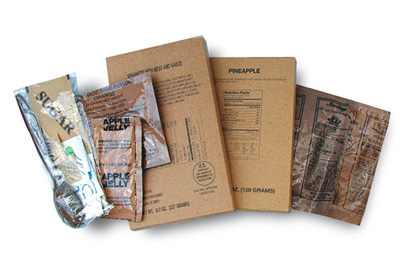
Sustenance supplies support extended shelter scenarios:
Communication equipment enables coordination with emergency responders:
Tools for Safety and CommunicationEmergency kits require tools that enable response actions and facility management:
Vendor-Neutral Equipment SpecificationsWhen selecting equipment, schools should ensure:
Sanitation and Health SuppliesExtended emergency situations demand comprehensive sanitation management:
Quick Reference Variations by Age GroupElementary school kits emphasize comfort items and adult supervision tools:
Middle and high school kits include more sophisticated supplies:
College and university kits focus on adult-level preparedness:
Placement and Quantity StandardsThe effectiveness of emergency kits depends not only on their contents but also on how they are distributed and accessed during a crisis. Schools should aim for:
Access goal: any occupied space should be within a 2-minute walk of a trauma kit to ensure timely response. School Safety Regulations and Compliance Standards
Educational institutions must navigate federal guidelines, state mandates, and local requirements that shape emergency preparedness obligations. National Guidelines and RequirementsOSHA's first aid requirements under 29 CFR 1910.151 establish minimum medical supply standards for educational workplaces. Schools must provide readily accessible first aid supplies proportional to their population and risk factors. FEMA school emergency guidelines outline comprehensive emergency operations planning requirements. These guidelines emphasize the development of Emergency Operations Plans (EOPs) that integrate emergency kits into broader response strategies. Department of Education safety compliance requires schools to address diverse threats through systematic preparedness programs that include physical supplies, training protocols, and communication systems. What Makes a Kit CompliantANSI/ISEA Z308.1 standards differentiate between Class A kits for basic workplace injuries and Class B kits for complex trauma situations. Schools typically need Class B capabilities due to their size and responsibility for vulnerable populations. Federal alignment ensures kits support broader emergency management systems. Compliant kits integrate with National Incident Management System (NIMS) protocols and Incident Command System (ICS) structures. Documentation requirements mandate inventory tracking, expiration dates management, and maintenance schedules to ensure supplies remain effective when needed. Regular monitoring of expiration dates prevents critical supply failures during emergencies. Supporting Agencies and ResourcesMultiple organizations provide guidance and support for school emergency preparedness:
Emergency Preparedness as a System
Effective school emergency preparedness extends beyond individual kits to encompass comprehensive planning, maintenance, and training systems. Drills prepare schools through systematic practice that builds muscle memory and confidence. Emergency kits protect students when integrated with scalable response protocols and customizable maintenance schedules. Maintenance PlanRegular inspection schedules prevent supply degradation and ensure rapid deployability. We recommend:
Expiration date tracking requires systematic monitoring supported by digital integration:
Integration with School Crisis PlansEmergency kits function as components within broader Emergency Operations Plans. Training programs ensure effective integration through:
Digital integration enhances traditional crisis planning:
IT and Privacy Integration
Scaling for Different Educational LevelsK-12 schools require portable, adult-supervised kit deployment:
Higher education institutions emphasize scalable and distributed responsibility:
The Human and Emotional Aspects of School Emergency PreparednessEmergency preparedness extends beyond physical supplies to address psychological well-being and emotional support during crisis situations. How to Talk to Kids About EmergenciesAge-appropriate communication helps students understand emergency procedures without creating anxiety. Use simple, clear language that emphasizes safety measures rather than threat details. Reassurance and routine provide emotional stability during crisis discussions. Emphasize the protective actions adults take and the preparedness measures already in place. Practice and familiarity through regular drills help students develop confidence in emergency procedures while maintaining a sense of normalcy in daily school operations. Psychological First Aid and Comfort ItemsEmergency kits should include supplies that address emotional needs:
Supporting School Staff and AdministratorsTeacher preparedness requires both physical supplies and emotional resilience training to manage student needs during emergencies while addressing their own stress responses. Administrative coordination balances crisis management responsibilities with staff support, ensuring that emergency leaders can function effectively under pressure. Community resources provide ongoing support for school personnel who may experience trauma or stress related to emergency preparedness responsibilities. Emergency Preparedness for Teachers and AdministratorsEducational professionals require specialized emergency preparedness resources that address their unique responsibilities and operational challenges. Teacher-Focused Emergency PreparednessClassroom emergency kits should be readily accessible and contain supplies appropriate for immediate student needs:
Professional development ensures teachers understand their roles in emergency response and can effectively use available supplies. Regular training updates address new threats and revised procedures. Personal preparedness encourages teachers to maintain their own emergency supplies and plans, recognizing that their ability to help students depends on their personal readiness. Administrative and Staff ResponsibilitiesCompliance management requires administrators to understand regulatory requirements and ensure their schools meet all applicable standards for emergency preparedness. Resource allocation balances budget constraints with safety needs, requiring strategic decisions about kit contents, maintenance schedules, and staff training investments. Community coordination connects school preparedness efforts with local emergency management systems, ensuring seamless integration during actual emergencies. Building School-Wide Preparedness CultureRegular communication with parents and community members builds understanding and support for emergency preparedness initiatives while addressing concerns about school safety. Student involvement in age-appropriate preparedness activities helps create a culture of safety awareness without generating excessive anxiety about potential threats. Continuous improvement through after-action reviews and preparedness exercises identifies gaps and opportunities for enhancement in emergency preparedness systems. College and Higher Education Emergency Preparedness
Higher education institutions face unique emergency preparedness challenges due to their size, diverse populations, and complex operational structures. University and Campus Safety RequirementsThe Clery Act mandates specific communication and reporting requirements for higher education institutions, including timely warnings and emergency notifications for campus threats. Read more about emergency notification responsibilities and emergency notification responsibilities. Campus-wide coordination requires emergency preparedness systems that can address multiple buildings, diverse populations, and complex operational needs across large geographic areas. Student independence shifts some preparedness responsibility to individuals while maintaining institutional support systems for emergency response and recovery. Student-Specific Emergency PreparednessResidence hall preparedness requires emergency supplies accessible to students living on campus, with clear protocols for resident advisors and building staff during emergencies. Personal emergency kits encourage students to maintain their own supplies while providing institutional resources for those who cannot afford or access emergency preparedness materials. Students should consider portable emergency backpacks and personal solar chargers for cell phone communication. Special populations including international students, students with disabilities, and those with chronic health conditions require targeted preparedness resources and communication strategies. Higher Education Policy and Support SystemsInstitutional responsibilities extend beyond basic emergency supplies to encompass comprehensive crisis management systems that can coordinate with multiple agencies and serve diverse stakeholder needs. Resource sharing among departments and schools can improve efficiency and ensure comprehensive coverage across large campus environments. Professional staff including campus police, health services, and emergency management personnel provide specialized expertise that enhances student and faculty preparedness efforts. Preparedness Strategies for Specific EmergenciesDifferent emergency scenarios require specific preparedness approaches and specialized equipment to ensure effective response and recovery. Natural Disaster PreparednessEarthquake emergency kits must account for structural damage risks and potential isolation from emergency services:
Severe weather preparedness addresses storms, floods, and extreme temperature events:
Human-Caused Emergency ResponseActive shooter preparedness requires specialized supplies and protocols:
Hazardous material incidents demand protective equipment and decontamination supplies:
Public Health Emergency PreparednessInfectious disease preparedness became a priority following COVID-19:
Mental health crisis response addresses psychological emergencies:
Responsibility and Accountability for Emergency KitsClear assignment of roles and responsibilities ensures that emergency preparedness systems function effectively and comply with applicable regulations. Legal and Regulatory FrameworkFederal requirements establish broad expectations for school emergency preparedness without mandating specific kit contents. FEMA's Comprehensive Preparedness Guide (CPG) 101 and the Department of Education's REMS Technical Assistance Center, and FEMA CPG 101: Developing and Maintaining Emergency Operations Plans, establish emergency operations planning standards. State mandates create enforceable requirements for emergency preparedness. Examples include Louisiana's bleeding control kit requirements and California's comprehensive school safety plan requirements under Education Code sections 32280-32289.5 demonstrate how states specify emergency supply obligations. More details available from the California Department of Education's Safe Schools Planning guidance and California School Boards Association safety plan requirements. Local implementation translates state requirements into specific policies and procedures that address community-specific risks and resources. Institutional Roles and ResponsibilitiesSchool administrators bear ultimate responsibility for emergency preparedness compliance and effectiveness. They must ensure adequate resources, proper training, and regular maintenance of emergency preparedness systems. Teachers and staff serve as front-line emergency responders who must understand their roles and have access to necessary supplies and training to protect students during crisis situations. Support personnel including custodial staff, food service workers, and security personnel play critical roles in emergency response and require appropriate training and resources. Community Partnerships and SupportParent and family involvement enhances school emergency preparedness through communication, support, and home-based preparedness that complements school efforts. Local emergency services provide professional expertise and coordination that extends school capabilities during major emergencies. Community organizations including businesses, nonprofits, and volunteer groups can provide resources and support that enhance school emergency preparedness capabilities. Performance and Accountability MetricsAdministrators can strengthen compliance and readiness by tracking measurable KPIs:
Equity and Accessibility in Emergency PreparednessEffective school emergency preparedness must address the diverse needs of all students and staff, regardless of economic status, physical abilities, or other characteristics. Preparedness on a BudgetCost-effective strategies help schools with limited resources build adequate emergency preparedness capabilities:
Gradual implementation allows schools to build comprehensive preparedness systems over time:
Cost and Lifecycle Planning. Budgeting for preparedness requires planning for both initial costs and ongoing refresh cycles:
Community-Based ApproachPTA and parent organization support can provide significant resources for emergency preparedness while building community engagement in school safety efforts. Local business partnerships offer opportunities for donations, discounted supplies, or expertise that enhances school preparedness capabilities. Grant and foundation funding provides external resources for schools that lack adequate local funding for comprehensive emergency preparedness. Inclusive Planning for Diverse NeedsStudents with disabilities require specialized preparedness planning that addresses mobility limitations, communication needs, and medical equipment requirements.
English language learners need multilingual preparedness resources and communication strategies that ensure they understand emergency procedures and can communicate during crises. Students with chronic health conditions require specialized medical supplies, medication storage, and care protocols that address their unique needs during emergencies. Economically disadvantaged students may lack personal preparedness resources and require additional institutional support to ensure their safety during emergencies. Key Takeaways1. The Case for Emergency Kits
2. Compliance and Standards
3. What Belongs in a School Emergency Kit
4. Systems, Not Just Supplies
5. Human and Emotional Dimensions
6. Roles, Responsibility, and Accountability
7. Equity and Accessibility
8. Higher Education Nuances
9. Specialized Preparedness
Frequently Asked QuestionsHow often should emergency kits be updated in schools?Emergency kits require systematic maintenance schedules that address different types of supplies:
Can parents donate or supply classroom emergency kits?Parent contributions can enhance school emergency preparedness, but require coordination:
What laws or regulations apply to school emergency kits?Schools must navigate multiple regulatory layers:
What are the best practices for K-12 emergency preparedness?Effective K-12 preparedness emphasizes:
How do higher education institutions handle emergency planning?Higher education preparedness differs from K-12 approaches:
What policies govern medication storage and parental consent?Medical supply management requires careful policy development:
How should schools manage food allergies in emergency rations?Allergy management in emergency situations requires:
Who is liable if an emergency kit fails during a crisis?Liability issues underscore the importance of comprehensive preparedness:
Emergency preparedness transforms basic supplies into life-saving capabilities through systematic planning, regular maintenance, and comprehensive training. Schools that invest in robust emergency preparedness systems protect their communities while demonstrating their commitment to student and staff safety. The most effective approach combines regulatory compliance with practical preparedness that addresses the real needs of diverse educational communities.
About the AuthorThis guide was created by the preparedness experts at SOS Survival Products , a trusted local California business serving the community since 1989. With decades of experience helping families, schools, hospitals, and government agencies prepare for emergencies, SOS Survival Products brings certified expertise and a deep commitment to community resilience. We are proud to hold multiple certifications, including:
Through our corporate social responsibility efforts — including free preparedness trainings, food drives, battery recycling programs, and more — we continually work to empower individuals and communities to be ready for any emergency. Content TransparencyThis article was human-authored by the SOS Survival Products team based on over 30 years of real-world experience and trusted resources in the emergency preparedness field.
Published: August 2025 |